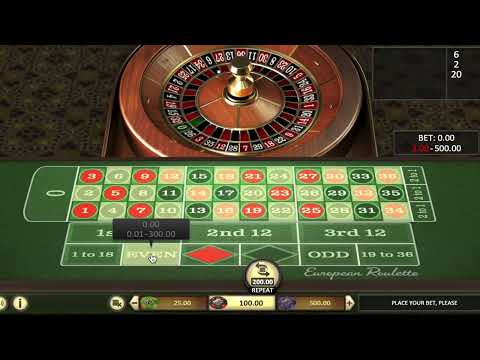
While we settle in to turn the reels, European Roulette Live, the base game alone hardly maintains our attention for long. The thing we are really waiting for is that transition in rhythm, the screen animation that signals a bonus round is about to begin. Bonus rounds are not just ornamental extras added to a slot; they are the engine that drives excitement, influences the mathematics, and often determines whether a session feels satisfying or mediocre. We have spent countless hours studying how these features impact everything from return-to-player percentages to the psychological pull that keeps us clicking spin. Recognizing why they matter assists us make smarter selections about which games we play, how we manage our bankroll, and what we reasonably can expect when those scatter symbols finally land.
The Main Attraction of Bonus Rounds
At their most basic, bonus rounds interrupt the routine of repeated base-game spins. A standard slot cycle can feel automatic: bet, spin, resolve, repeat. When a bonus triggers, the interface often shifts dramatically. We might be taken to a second screen where we pick treasure chests, spin a wheel of fortune, or watch a character walk across a map. This change of scene renews our concentration and creates a clear climax in the session. We have found that even modest bonus wins generate more gratification than a slightly larger base-game hit, simply because the presentation is more theatrical.
Beyond range, bonus rounds offer a sense of control that the base game lacks. In pick-and-click features, we choose which objects to reveal, offering us the illusion of control even when outcomes are predetermined. Free-spin rounds with sticky wilds or increasing multipliers make every spin feel more consequential than the last. The anticipation builds because we know the feature has a finite number of spins, and each one could boost the payout dramatically. This layered excitement is something no amount of base-game polish can replicate, and it is the primary reason we look back on a slot long after we close it.
Volatility, Trigger Rate, and Bonus Round Design
Bonus rounds are the primary lever creators use to calibrate a slot’s volatility. A volatile game might have a bonus trigger frequency of once every 200 to 400 spins on average, but when it hits, the feature can award 200x, 500x, or more. In contrast, a low-variance slot may initiate bonuses every 80 to 120 spins, with features that dependably provide 20x to 50x the bet. Knowing this link helps us adjust our bankroll and tolerance with the right game type. If we possess a more modest balance and enjoy steady play, a high-frequency, smaller-payout bonus structure is more suitable than hunting a huge payout that may not occur in a particular session.
The internal mathematics of a bonus round also dictate how wins are spread within the feature itself. Some games concentrate early the potential, providing us a strong chance at a solid win early in the free spins, while others back-load it with a increasing multiplier that only becomes significant on the closing few spins. We have analysed games where the distinction between a average bonus and a game-altering one depends entirely on whether a one expanding symbol or a retrigger occurs. This variance within the bonus means that even when we enter the feature, we must be ready for a broad spectrum of outcomes, and that ambiguity is exactly what maintains the experience captivating.
Types of Bonus Rounds and Their Payoffs
The world of bonus features is far more diverse than the standard free-spin trigger. Free spins continue to be the most common, but they now frequently come with modifiers including expanding symbols, locked wilds, progressive multipliers, or symbol upgrades. In a game like Book of Dead, a single expanding symbol during free spins can fill entire reels and yield wins much greater than what the base game allows. Other slots, like the Big Bass Bonanza series, use a collection mechanic where fisherman symbols accumulate cash values during free spins, adding a skill-like layer of accumulation that keeps us engaged.
Pick-me rounds and wheel spins deliver instant gratification free from extended play. We might select from a grid of hidden prizes to uncover instant coin wins, multipliers, or entry into a higher-tier feature. Wheel-of-fortune style bonuses can give jackpots, free spins, or cash amounts with a single spin of the wheel. Then there are hold-and-win respin features, popularized by games including Money Train 2 and various jackpot slots, where we collect special symbols that reset the spin counter and work towards fixed jackpot tiers. Each type influences the session differently: some extend the excitement over many spins, others deliver a quick hit of adrenaline and a payout that lands immediately in our balance.
The Way Bonus Rounds Alter Return Potential
It is easy to presume that a slot’s advertised RTP is distributed evenly across all spins, but that is rarely true. In the majority of modern video slots, the base game provides a modest percentage of each wager, frequently in the range of 60% to 70% over the long term. The leftover portion of the RTP is concentrated in the bonus rounds and other special features. When we engage with a game with a 96% RTP, a significant chunk of that figure could only be available during free spins, hold-and-win respins, or progressive pick rounds. This structure implies that a session without a bonus trigger is nearly guaranteed to deplete the balance faster than the headline number implies.
Consequently, bonus rounds are the main vehicle for the large multipliers that make slots famous. A base-game win of 20x or 50x the bet is often the ceiling, but a well-timed bonus can deliver 500x, 1,000x, or even 5,000x the stake in a single feature. We have observed games where the maximum theoretical win is only reachable during the final spin of a bonus with a full screen of wilds and a top multiplier active. Without triggering the feature, that potential stays locked away. This concentration of value signifies we should assess a slot not just by its total RTP, but by how reliably its bonus round can be entered and how much of the return it holds.
How to Evaluate a Slot’s Bonus Prospect Before Playing
Prior to committing real money, we always examine the paytable and game information sheet, which most reputable slots supply. The paytable discloses the bonus trigger conditions, the number of free spins awarded, and any special mechanics like multiplier trails or symbol transformations. We also seek the maximum win cap, which is often stated as a multiple of the bet, such as 5,000x or 10,000x. This cap tells us the theoretical ceiling of a single bonus round and aids in setting realistic expectations. A game that advertises a 20,000x max win but has a bonus frequency of once every 500 spins is a very different proposition from one with a 2,500x cap and a trigger rate of once every 120 spins.
We also pay attention to the presence of retriggers and the rules that control them. Some slots permit unlimited retriggers, that can extend a free-spin round indefinitely and are the only way to achieve the upper limits of the win potential. Others limit retriggers or lack them at all, implying the bonus length is fixed and the maximum outcome is more predictable. The volatility rating provided by the developer, often expressed as low, medium, or high, is a useful starting point, but we prefer to supplement it with community data and our own observation of how often the bonus lands during demo play. A few hundred demo spins may reveal more about a slot’s rhythm than any written description.
The Mindset Behind the Bonus Trigger
Slot designers understand that the route towards a bonus is as significant as the bonus itself. The near-miss effect, where two scatter symbols land and the third teeters just off-screen, is a intentional design choice that heightens arousal and encourages continued play. We have all experienced that moment when the reels slow down and a third bonus symbol seems almost certain, only to slip away. That physiological jolt is not accidental; it leverages the same dopamine pathways that keep us chasing rewards in other contexts. The anticipation of a bonus trigger can prolong play through long dry spells, because our brains evaluate the potential future reward more heavily than the current losses.
Once inside a bonus, the psychological dynamics change again. The feature often starts with a intensified audio-visual presentation, indicating that we have entered a special state where normal rules are suspended. During free spins with increasing multipliers, each successive spin feels more valuable, making it challenging to disengage even if we have already secured a decent win. The closing moments of a bonus, especially when a large multiplier is active, create a peak-end effect that heavily influences our memory of the entire session. We tend to assess the slot based on how that final bonus spin resolved, not on the hundreds of base-game spins that preceded it.
The Function of Buy-A-Bonus Mechanics
An ever more popular option in modern slots is the ability to acquire direct entry into the bonus round for a set multiple of the base bet, typically spanning from 50x to 100x the stake. This mechanic bypasses the base game entirely and draws reddit.com in players who want direct access to the most unpredictable and likely profitable part of the slot. We have seen buy-a-bonus options multiply in games from developers like Pragmatic Play, Nolimit City, and Push Gaming, and they fundamentally change how we tackle a session. Rather than grinding through hundreds of spins, we can settle a known cost and leap straight to the action.
However, acquiring a bonus is not a shortcut to assured profit. The RTP of a purchased feature is at times somewhat different from the normally triggered version, and the cost is adjusted so that the house edge holds intact over the long run. We have observed that a 100x buy-in on a high-volatility slot can result in a return of 10x or less a surprising amount of the time, while from time to time yielding a 500x or 1,000x outcome that offsets multiple losing buys. Players should check the game rules and their jurisdiction, as buy-a-bonus features are banned or turned off in certain regulated markets. When offered, the feature suits those with a larger bankroll who grasp the variance and regard it as a measured risk rather than a regular playstyle.
Mobile Gaming and Feature Round Performance
As increasingly many players play on smartphones and tablets, the way feature rounds perform on compact displays has become a critical factor in picking slots. credible source Screen tapping can boost certain feature types, such as tap-to-reveal features where we select objects to show winnings, or wheel bonuses where a swiping motion adds a tactile dimension. We have discovered that well-designed slots adjust their bonus interfaces effectively, with sufficiently sized buttons to avoid mis-taps and animations that run smoothly without consuming excessive power. A subpar mobile bonus game, with minuscule writing or stuttering effects, can kill the thrill and even cause unintended wagers or feature exits.
Beyond interface design, mobile play impacts gaming sessions. Because we often play in shorter bursts on a smartphone, the gap between features can feel more extended, making the bonus feel even more impactful when it hits. Developers have reacted by creating games with quicker spins and streamlined bonus intros that get us into the action quickly. We suggest testing a game in phone demo before depositing, paying careful notice to how the bonus round loads and whether any clickable parts work correctly. A machine that feels laggy or small on a 6-inch screen is unlikely to hold our interest, however impressive its bonus prospects looks on a computer.
Free Spin Rounds and Responsible Play
The magnetic pull of bonus rounds can push us into playing habits that are challenging to keep up. Pursuing a bonus trigger after a lengthy losing streak is one of the biggest mistakes we see, because the sunk-cost mindset makes us believe that a feature is coming, even though each spin is separate and the random number generator has no memory. We must remember that the standard bonus occurrence is a long-term average, and temporary variations can be extreme. A game with a stated 1-in-150 trigger rate can easily go 400 spins without a bonus in a one session, and chasing that trigger can exhaust a bankroll more quickly than anticipated.
We treat every session with a defined cap on time and spend, and we regard bonus rounds as enjoyable moments rather than trustworthy money makers. Defining a loss threshold before we start, and adhering to it even when we sense a bonus is close, shields us from the psychological trap that bonus design leverages. It is also sensible to refrain from raising wager amounts in an effort to force a bonus or win back losses, because the price of a bonus buy or a larger wager can rise fast. The most enjoyable relationship with bonus rounds is one where we appreciate the craftsmanship, understand the mathematics, and walk away when the session stops being fun, no matter whether the feature hit or not.